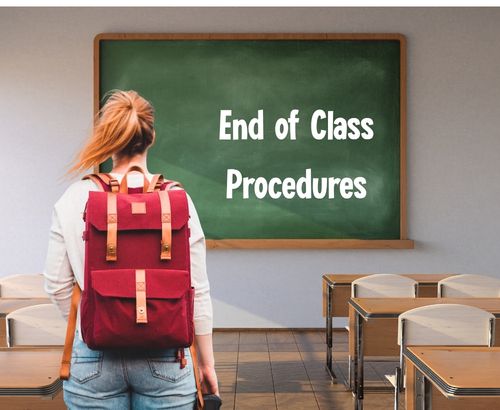
As teachers, it’s tempting to spend the last weeks of summer polishing lesson plans, organizing classroom décor, and printing the first week’s activities. I’ve done it, too. After more than two decades of teaching high school English, though, I’ve learned that the most important planning happens before I ever open my curriculum guide. I start by designing my classroom procedures. Specifically, I think through how I want every class period to begin and end. It may not be the most exciting part of back-to-school planning, but it has one of the biggest impacts on classroom management and student success all year long.
Why Procedures Come Before Lesson Plans
Your lessons can be engaging, standards-based, and thoughtfully planned, but they won’t be nearly as effective if the last five minutes of every class dissolve into chaos. When students don’t know what they’re supposed to do before the bell rings, you’ll likely see:
- Students packing up long before class is over
- Missing or misplaced assignments
- Repeated reminders about homework
- Crowds gathering at the door
- Materials left scattered around the room
- Lost instructional time every single day
These small interruptions add up over the course of a school year. That’s why I encourage teachers to think about procedures before they think about units, projects, or even the first day’s lesson. A clear routine creates the structure your instruction depends on.
The Last Five Minutes Matter More Than You Think
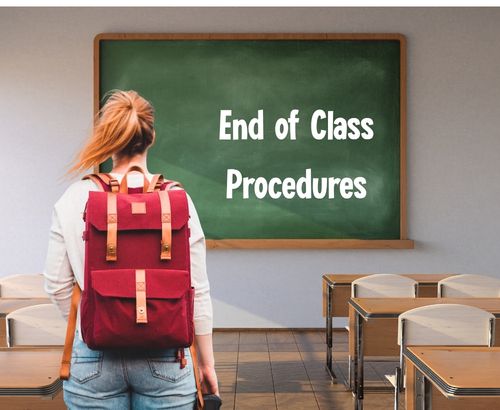
The end of class is your opportunity to bring closure to the day’s learning. It’s when students organize their thoughts, ask final questions, reflect on what they’ve learned, and prepare for the next class period. Without a consistent routine, those valuable minutes often become a countdown to the bell instead of a meaningful conclusion to the lesson. A predictable end-of-class routine helps students stay focused until the very last minute and leaves them with a clear understanding of what comes next.
Every End of Class Procedure Starts with a Question
One mistake many teachers make is copying another teacher’s classroom routines without considering whether those procedures fit their own teaching style or classroom setup. Instead, start by asking yourself questions. Questions force you to think through situations before they happen, making it much easier to teach expectations with confidence.
For example:
- What should students do when there are five minutes left in class?
- When should they pack up their belongings?
- Will students complete an exit ticket every day?
When you’ve answered these questions ahead of time, your procedures become intentional instead of reactive.

Teach the Routine Before You Need It
One of the best pieces of advice I can give new teachers is this:
Don’t wait until students make a mistake before teaching the procedure.
If you expect students to remain engaged until they’re dismissed, teach them exactly what that looks like on the first day of school. Model it. Practice it. Give feedback. Practice it again.
Students aren’t mind readers, and they come to your classroom with experiences from many different teachers. Taking time to teach your expectations early builds consistency and confidence for the rest of the year.
A Strong Ending Creates a Strong Beginning
It may seem strange to begin planning your school year by thinking about the end of each class period. But once your dismissal routine is established, everything else becomes easier. You’ll know how much time to leave for reflection. You’ll know when homework should be explained. You’ll know how assignments will be collected. You’ll know how students will transition to their next class. Instead of ending each period with uncertainty, you’ll create a calm, predictable routine that supports learning every day.
My Procedures Change Every Year
Even after starting my 22nd year in the classroom, I still review and revise my procedures every summer. Each group of students is different. Sometimes I discover a routine that worked well and deserves to stay. Other times, I realize a procedure caused unnecessary confusion and needs to be simplified. Reflecting on your classroom routines before school starts helps you make thoughtful improvements instead of reacting to problems once students arrive. Remember, procedures are living documents. They should evolve as you grow as a teacher.
Free Download: End-of-Class Procedures Planning Questions
This year, challenge yourself to do something different. Ready to create dismissal routines that actually work? I’ve created a free End-of-Class Procedures Planning Questions guide to help you think through every detail before the school year begins.
Instead of giving you a list of rules to copy, this printable walks you through the questions every teacher should ask while designing procedures that fit your classroom, your students, and your teaching style. Use it before school starts so you’ll be ready to explicitly teach your end-of-class procedures from Day One.
Download your free planning guide here and start the school year with routines that help every class end calmly, consistently, and with purpose.